The Mechanical Aperture Revolution
For years, smartphone cameras relied almost entirely on computational software blur to simulate portrait depth of field. The Galaxy S26 Ultra breaks this paradigm by reviving physical mechanical aperture blades on its 200MP ISOCELL sensor.
Featuring an ultra-miniaturized 10-blade mechanical diaphragm, the lens dynamically adjusts between a fast f/1.4 for dim light and shallow depth of field, and a sharp f/4.0 for deep landscape focus. This eliminates artificial software edge cutouts around stray hairs, eyeglasses, and transparent wine glasses, producing true optical falloff identical to dedicated 35mm full-frame camera lenses.
Apple's Liquid Glass Continuous Telephoto
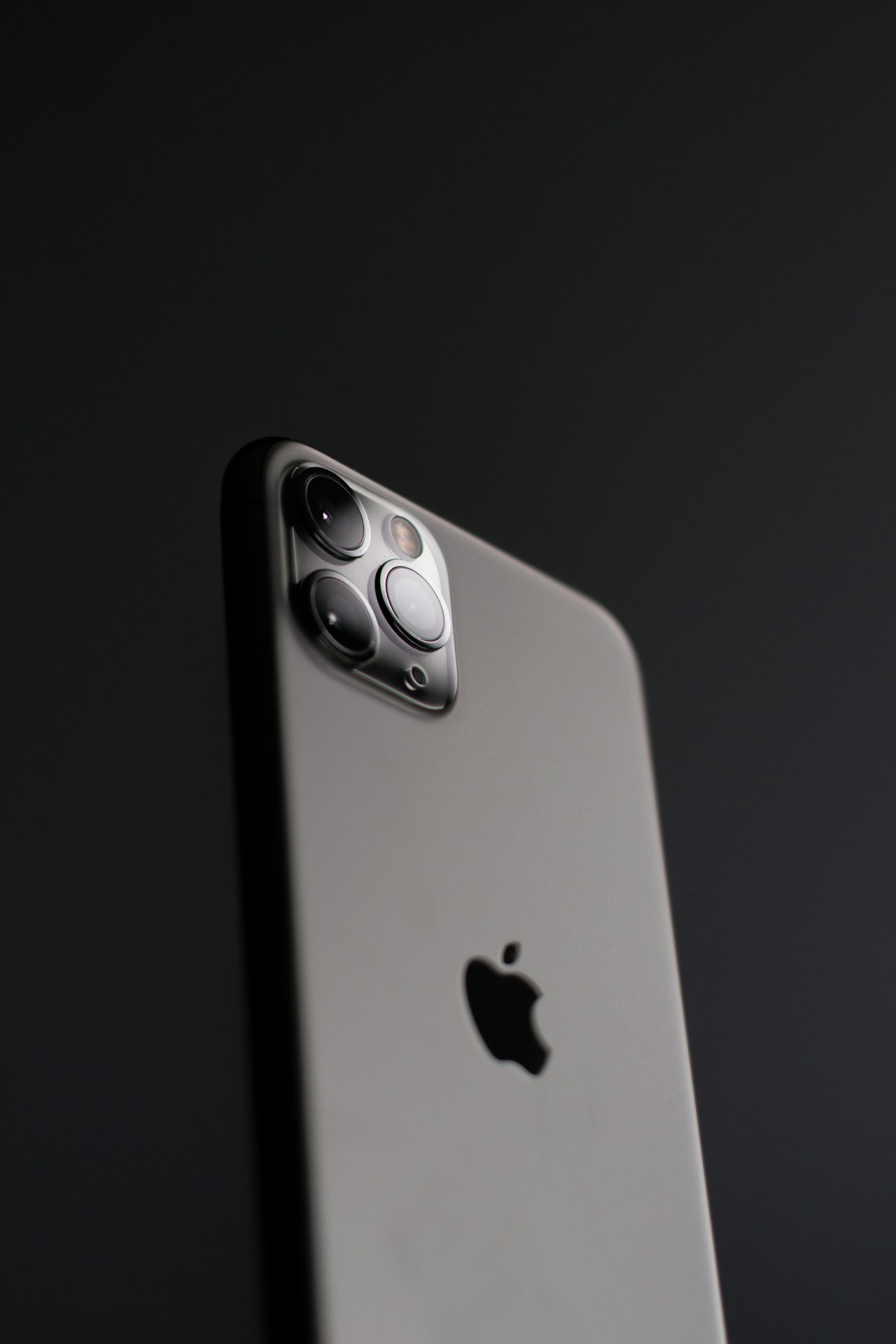
Apple's counter-strategy focuses on telephoto continuity. Rather than switching between discrete fixed focal length cameras (e.g. 3x and 5x), the iPhone 18 Pro Max incorporates an electrically actuated liquid glass prism lens.
By applying minute electrical charges across liquid polymer cells, the lens dynamically shifts its curvature, providing true continuous optical zoom from 3x (72mm equivalent) up to 10x (240mm equivalent). This provides wedding photographers and video creators with uncompressed optical framing at every focal increment in between.
2nm Neural Silicon: Real-Time Computational Video
Both flagship silicon platforms—Qualcomm's Snapdragon 8 Elite 2 and Apple's A20 Pro—are fabricated on TSMC's bleeding-edge 2nm N2 process node featuring Super Power Rail backside power routing.
With thermal dissipation reduced by 28%, the onboard image signal processors (ISPs) process 8K 60fps Dolby Vision video with real-time neural noise reduction on every frame. Low-light video shot in moonlit conditions retains natural shadow gradations and skin tones with zero temporal stutter or motion ghosting.
Tandem OLED Displays: Cutting Sunlight Glare
Both devices adopt dual-stack Tandem OLED displays that layer two red, green, and blue light-emitting organic layers. This doubles the panel's lifespan while boosting peak outdoor brightness to an unprecedented 3,500 nits.
Coupled with next-generation anti-reflective coatings that reduce ambient glass reflections by over 80%, framing photos under direct desert midday sun feels like viewing an ink-jet print.
Editorial Verdict: Who Wins the Flagship Crown?
The Galaxy S26 Ultra is the champion of raw technical flexibility, telephoto reach, and pro manual camera control. The iPhone 18 Pro Max remains the undisputed king of video consistency, color science, and cinematic lens switching. For 99% of creators, dedicated mirrorless cameras are no longer necessary for daily content production.
| ⚡ Technical Specifications & Hardware Matrix | |
|---|---|
| Primary Sensor (Samsung) | 200MP (1/1.12", f/1.4-f/4.0 Mechanical Aperture, OIS) |
| Telephoto System (Samsung) | 50MP 5x Periscope + 10MP 3x Optical (Up to 100x Space Zoom) |
| Primary Sensor (Apple) | 48MP Fusion (1/1.14", f/1.6 Sensor-Shift OIS) |
| Telephoto System (Apple) | 48MP Continuous Liquid Prism (3x to 10x Optical Zoom) |
| Processor Nodes | TSMC 2nm N2 (Snapdragon 8 Elite 2 vs Apple A20 Pro) |
| Display Luminance | Tandem OLED (3,500 Nits Peak HDR, 1-120Hz LTPO) |
| Video Recording | 8K 60fps Dolby Vision HDR / 4K 120fps ProRes Log |
| Battery & Charging | 5,500mAh (Samsung 65W) vs 4,850mAh (Apple 40W) |