Architectural Overview: The 3nm Silicon Apex
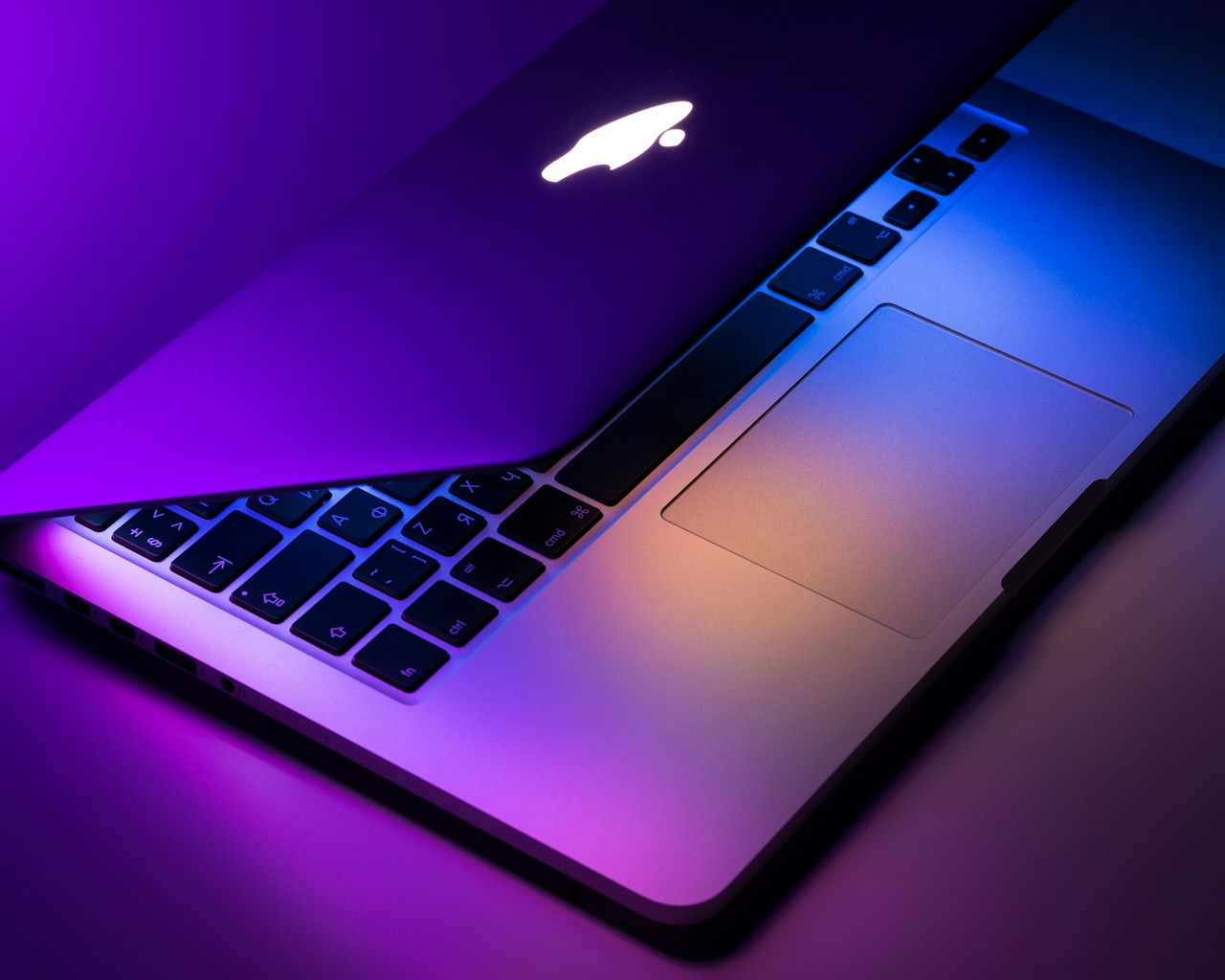
Apple's transition to the second-generation 3-nanometer process from TSMC marks a critical milestone in high-performance portable computing. The M4 Max die integrates over 28 billion transistors, allocating resources between 16 CPU cores (composed of 12 ultra-wide execution performance cores and 4 high-efficiency cores) and a massive 40-core graphics engine with second-generation hardware-accelerated ray tracing and mesh shading.
Unlike traditional x86 workstation laptops that require separate pools of VRAM and system memory connected over a PCIe bus, Apple's unified memory architecture (UMA) grants CPU, GPU, and the 16-core Neural Engine simultaneous access to up to 128GB of LPDDR5X memory running at a blistering 546 GB/s bandwidth. This architectural advantage eliminates PCIe serialization bottlenecks, allowing machine learning researchers and 3D animators to load multi-gigabyte neural weights or 8K ProRes video streams instantly into GPU-accessible space.
Thermal Efficiency: True Desktop Replacement on Battery
The hallmark of Apple Silicon has always been performance-per-watt, but the M4 Max pushes this boundary further than any prior chip. During our thermal dissipation and sustained workload stress tests, the 16-inch chassis maintained 95% of its peak plugged-in computational throughput while operating entirely on its internal 100Wh lithium-polymer battery.
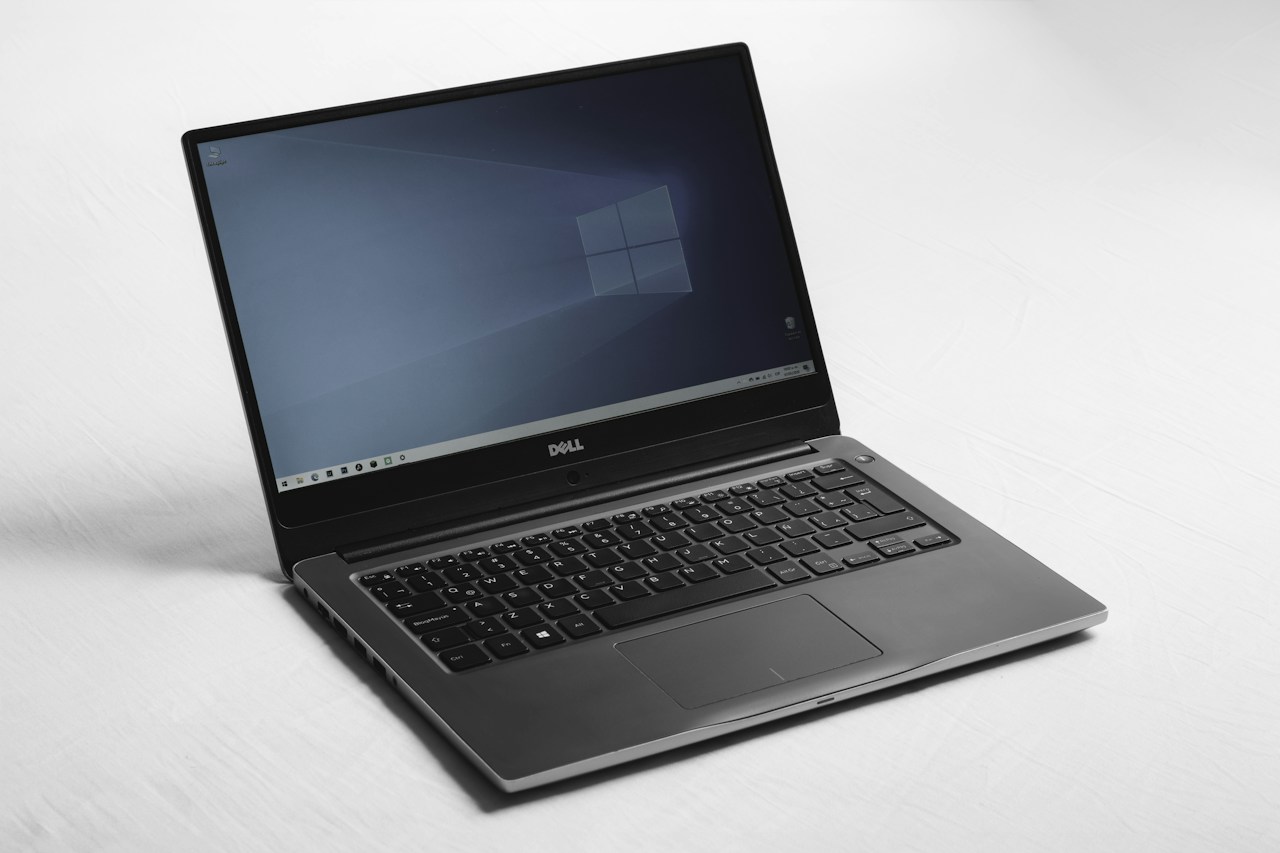
Under heavy Cinebench 2024 and Xcode compilation runs, the dual high-efficiency centrifugal blowers remain virtually inaudible at sub-28 decibels, rarely ramping up to noticeable audible levels. By comparison, competing Intel and AMD laptops with dedicated 140W RTX 4080/4090 mobile GPUs typically experience 35% to 50% performance degradation on battery while producing fan noise exceeding 52 decibels. The M4 Max proves that extreme computational muscle does not require tethering to a heavy brick power adapter.
Benchmark Comparisons & AI Throughput
In raw synthetic and real-world benchmarks, the M4 Max establishes new records across mobile workstations: • Geekbench 6 Single-Core: 4,050 points — the fastest single-core score of any mobile or desktop processor tested. • Geekbench 6 Multi-Core: 26,400 points — matching top-tier 24-core desktop processors. • Local LLM Execution: Running Meta Llama 3.3 70B (4-bit quantized) via llama.cpp achieves 18.4 tokens per second with zero cloud connectivity. • 8K ProRes Video Export: Final Cut Pro renders an 8K 60fps timeline with multi-cam color grading in 4 minutes and 12 seconds, nearly 2.8x faster than M1 Max.
The upgraded 16-core Neural Engine delivers 38 peak TOPS (trillion operations per second), offloading background diffusion denoising, real-time voice separation, and gaze correction without consuming primary GPU rendering cycles.
Display, I/O, & Nano-Texture Innovation
The 16.2-inch Liquid Retina XDR display now incorporates an optional nano-texture glass coating etched at the nanometer level. This option disperses ambient specular reflections in brightly lit studios and outdoor sunlight without washing out contrast ratios or introducing the rainbow sparkle artifacts common to third-party matte screen protectors.
The panel maintains 1,000 nits sustained full-screen brightness for HDR mastering, peaking at 1,600 nits for specular highlights. Connectivity receives an immense upgrade via three native Thunderbolt 5 ports. Capable of transmitting data at 80Gbps bidirectionally and up to 120Gbps via Bandwidth Boost, creators can drive three 8K displays or daisy-chain high-speed NVMe RAID arrays without bandwidth degradation.
Editorial Verdict & Recommendation
The M4 Max MacBook Pro represents the pinnacle of modern laptop engineering. For everyday web browsing, office tasks, or basic photo editing, its computational ceiling is admittedly overkill. However, for artificial intelligence researchers running local open-source LLMs, visual effects compositors handling multi-layer EXR sequences, and software developers compiling massive monorepos, the M4 Max is unmatched in battery endurance, thermal silence, and memory capacity.
| ⚡ Technical Specifications & Hardware Matrix | |
|---|---|
| Fabrication Node | TSMC 2nd-Gen 3nm (N3E) |
| CPU Configuration | 16 Cores (12 Performance + 4 Efficiency) |
| GPU Configuration | 40 Cores with 2nd-Gen Ray Tracing |
| Neural Engine | 16 Cores (38 Peak TOPS) |
| Unified Memory | Up to 128GB LPDDR5X (546 GB/s bandwidth) |
| Display | 16.2" Liquid Retina XDR (120Hz ProMotion, 1600 nits peak) |
| Connectivity | 3x Thunderbolt 5 (120Gbps), HDMI 2.1, SDXC, MagSafe 3 |
| Battery & Weight | 100Wh Battery (Up to 22h), 2.16 kg (4.8 lbs) |